Timing the Great Migration: a month-by-month guide
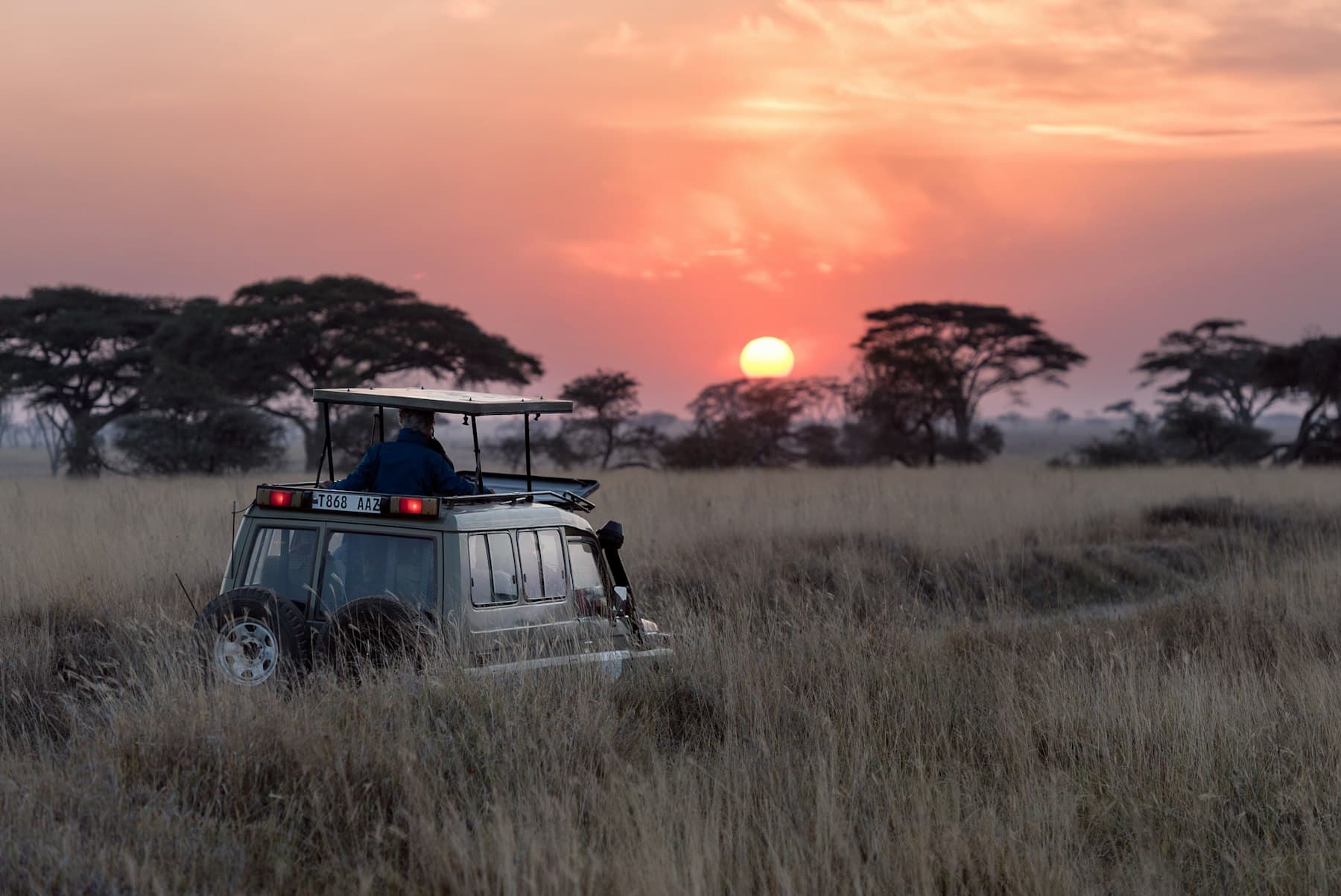
The Great Migration isn't a single event; it's a year-round, 800-kilometre loop. Catching the part you want to see is all about timing your trip to the herds' position.
From December to March, the wildebeest gather in the southern Serengeti and Ndutu to calve — half a million newborns in a few weeks, and the predators that follow. It's the best time for big-cat action.
By July the columns are pushing north toward the Mara River. The famous crossings — thousands of animals braving crocodile-filled water — peak from July to September. This is the image most people picture when they imagine the migration.
There's no bad time to see the Serengeti, but there is a best time for what you want. Tell us what you're hoping to witness and we'll place you exactly where the action is.
Keep reading
 Guides
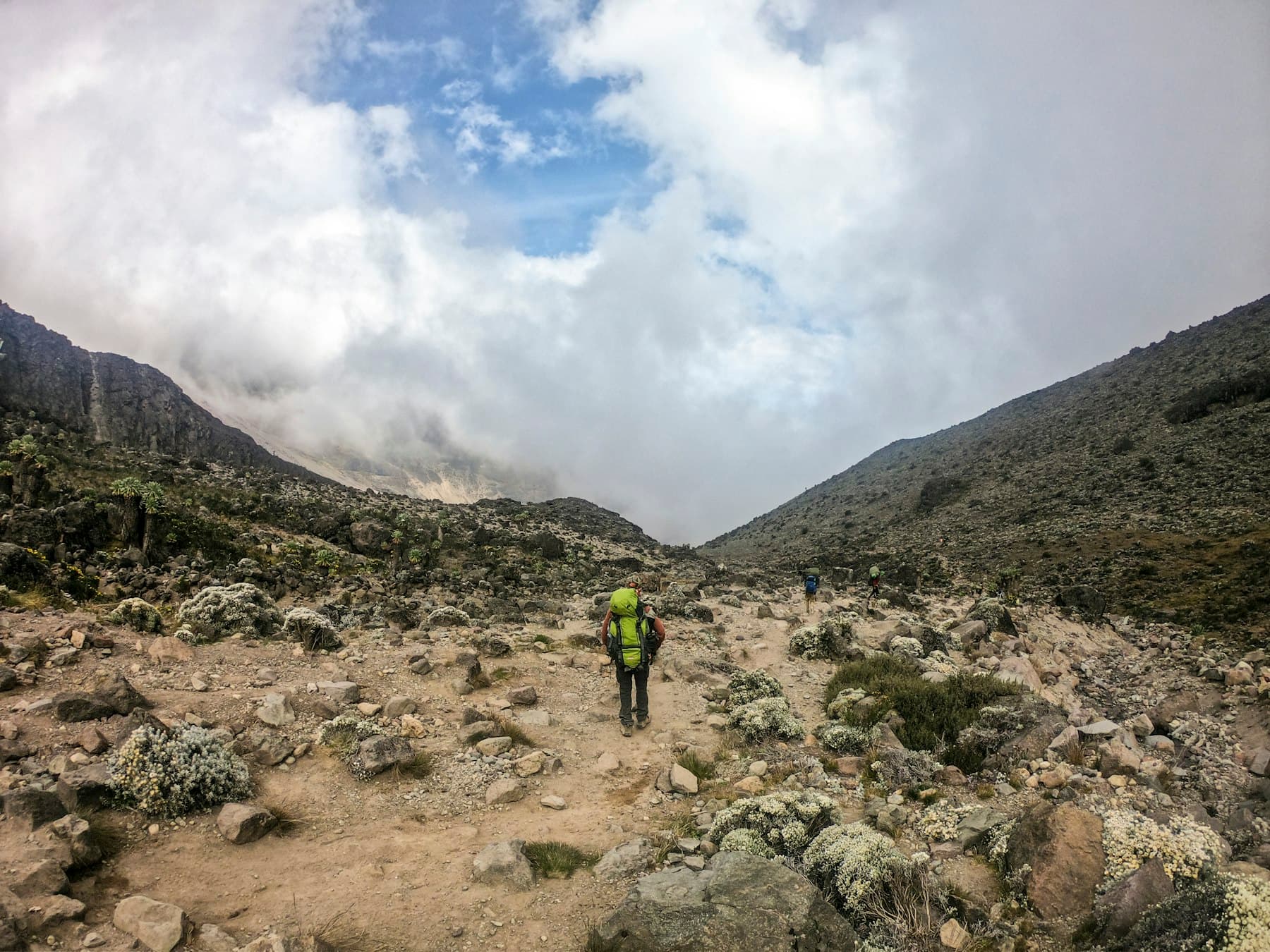
Which Kilimanjaro route should you choose?
Machame, Lemosho, Marangu or Rongai — each route up the mountain tells a different story. Here's how to pick the right one for you.
 Tips
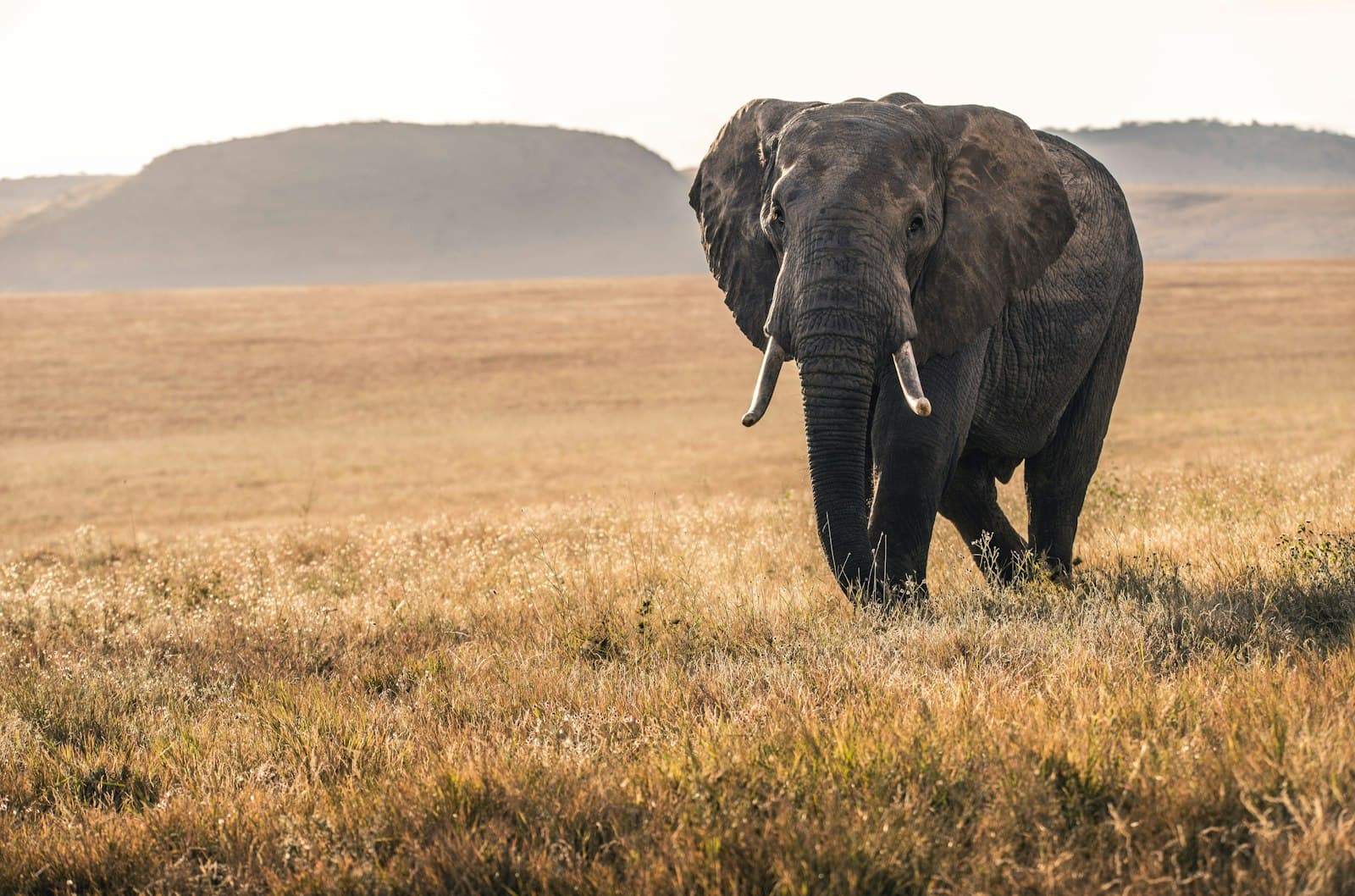
TipsWhat to pack for a Tanzanian safari
Neutral colours, layers, and less than you think. A practical packing list from guides who live out of a duffel.
 Culture
A first-timer's guide to Stone Town
Carved doors, spice markets and centuries of trade. How to read Zanzibar's old town like a local.